
Are you thinking of getting rid of your unloved swimming pool? In this article, we take a look at some of the common reasons families in Sydney are going for swimming pool removal.
We’ll examine the different types of swimming pools and walk you through an end-to-end pool removals Sydney process.
Why Sydney Homeowners Choose Pool Removal
More and more property owners across NSW are deciding to remove their swimming pools. The main reasons are safety, cost, and reclaiming outdoor space.
Across Sydney and its suburbs, families are opting for removal rather than keeping an unwanted or unused swimming pool.
Some common reasons Sydney families make this choice include:
- The cost and time spent on pool maintenance expenses, including chemicals, cleaning, and repairs.
- The need to comply with the local council requirements for pool barriers and fencing under NSW legislation.
- They want to reclaim their back yard for outdoor living areas, gardens, or other uses better suited to their needs.
Safety Concerns
Safety is the main reason for many families, especially those with young children or elderly relatives at home. An unused pool is a drowning risk, especially for toddlers who may not realise the danger.
Older pools in need of repair pose additional risks, including injury from cracked concrete edges and broken tiles.
Financial Considerations
If you include electricity for the pump, chemicals such as chlorine, water, and routine repairs, maintaining a pool in Sydney can cost from $1,000 to over $3,000 a year.
Removing the unwanted, possibly damaged pool seems like a viable, cost -effective solution. Instead of throwing cash at it each year, a one-time expense for pool removal instantly stops the maintenance costs and reduces electricity and water bills, too.
Usable Outdoor Space
Many families, especially with older children, are realising they’d prefer the large area occupied by an unused pool changed to spaces they’ll actually use. Imagine replacing your unwanted, unsightly pool with a covered entertaining area perfect for year-round gatherings, a garden for growing fresh vegetables, or a large lawn where children can run and play.
Different Pool Types and Removal Methods
Sydney pool removals depend on the type of pool you have. The removal method, timeline, and cost are subject to your pool removalist team’s planning and pricing.
The required machinery and waste disposal methods also vary. An older concrete pool is a different challenge than an above-ground structure or a more modern fibreglass pool.
Concrete and Gunite Pools
Concrete and gunite pools are the most common across Sydney and the suburbs, especially in homes constructed between the 1960s and 1990s. They are built to last, which, of course, means they are the trickiest to remove!
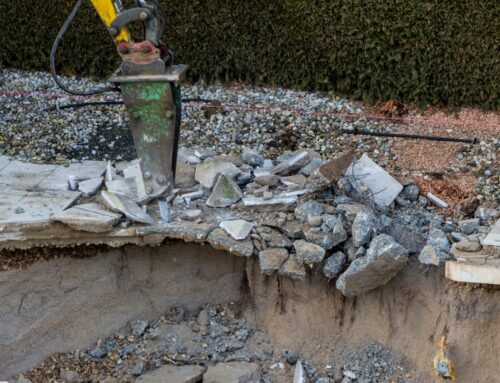
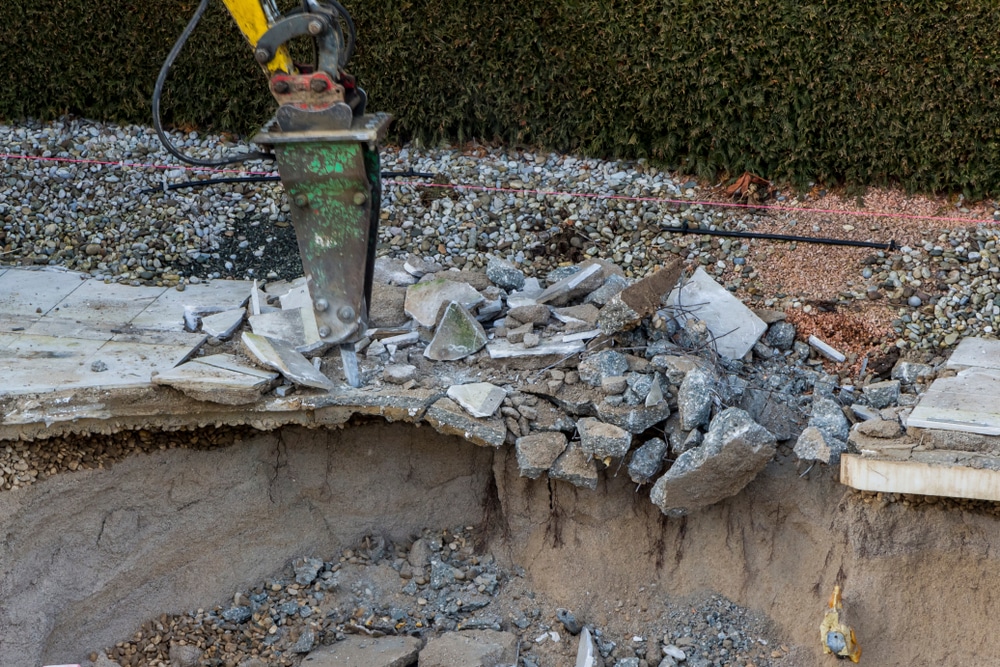
With shells up to 20cm thick, your Sydney pool removals contractor will use excavators with concrete breaker attachments. They will also need to use specialised tools to cut through the steel reinforcement. Your neighbours are likely to notice the noise and vibrations during the removal process.
Fibreglass Pools
Fibreglass pools are quicker to install and became popular from the 1980s. They are easier to remove; in some cases, the entire shell can be lifted out in one piece with heavy machinery. More often, the shell is cut into pieces using hand tools.
There is far less waste than with a concrete pool, but fibreglass isn’t recyclable and will end up as landfill.
Vinyl Liner Pools
Not common in Sydney, vinyl liner pools have a framework with a vinyl liner, with supporting walls. Removing the actual liner is normally straightforward. The dismantling process depends on whether the framework is made of metal or plastic. Metal frameworks can be recycled, reducing the removal costs.
The excavation work involved will depend on whether the pool has footings or walls, often concrete, that may require machinery to remove, although some have minimal support, meaning the quote to remove could be lower.
Above-Ground Pools
The most straightforward to remove, these pools are on top of the ground, so there won’t be a large hole to fill before handover. Once the water has been pumped out, your removalists will remove the framework, roll up the liner, and take it all away.
This should be reflected in your quote for removal, as this process typically costs a fraction of what in-ground pool removal does.
The Pool Removal Process in Sydney

Your swimming pool removal should take 3 to 7 days, depending on the pool size, type, and removal method. Timelines can be affected by the weather, especially when rain interrupts excavation work. Difficult access to the block can also slow machinery and truck movement.
Knowing what is involved at each stage of the process helps you understand what you’ll see in your backyard.
Initial Assessment and Council Approval
A site assessment is the first stage of most demolition projects. Pool removal specialists will need to see the pool type, construction method, size, and condition. They’ll also assess potential challenges to the removal process, such as narrow site access points and retaining walls or nearby utilities.
A formal approval from your local council must be in place before pool removal work can start. Your contractor will know the current process and will guide you through it or even handle this paperwork on your behalf.
Draining the Pool
Before work can begin, the pool must be drained. Note that you can’t simply pump thousands of litres of chemical-containing water into your stormwater system. Your contractor will comply with Sydney Water guidelines and local regulations.
A pump is installed in the deep end of the pool, and the water flows to stormwater drains or sewer if stormwater is unsuitable.
Water can complicate the breaking and removal process, and mud slows work, so the pool must be completely drained. The pool is typically left to dry for a day or so when empty to ensure all moisture has evaporated.
Removing Pool Fencing and Surrounds
The next phase is to clear the work area. Pool fencing is taken down first, along with any gates or safety features. This provides the demolition team with enough space to bring machinery into the area.
Other nearby features, like pavers and decking, are also removed to provide easy access to the edges of the pool shell. Let your removalists know if you want to keep any of these materials for reuse elsewhere in your garden.
Demolition and Material Removal
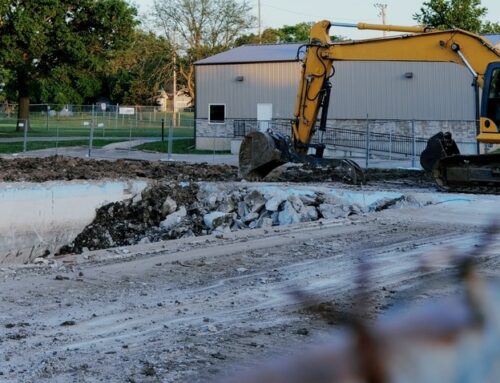
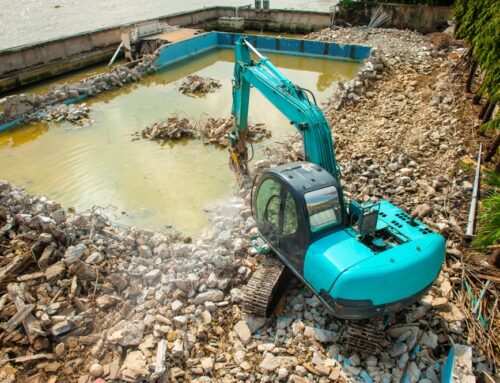
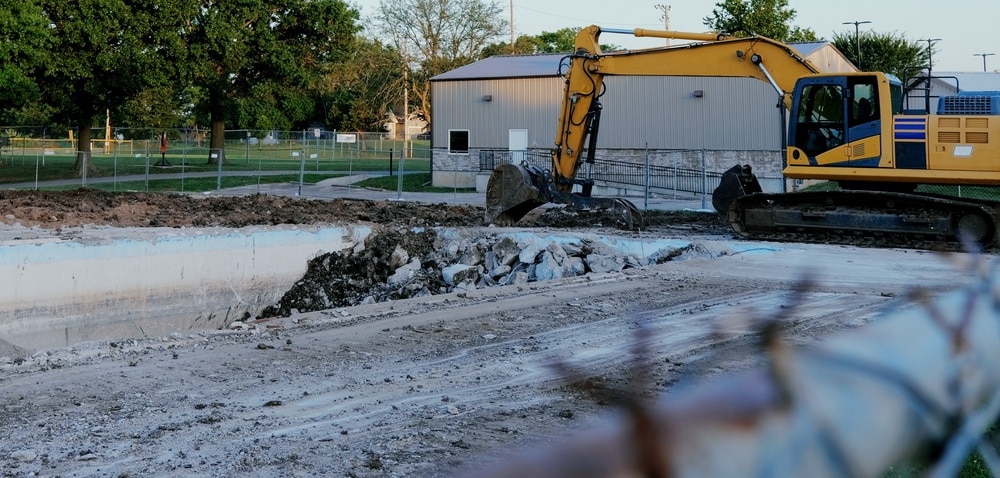
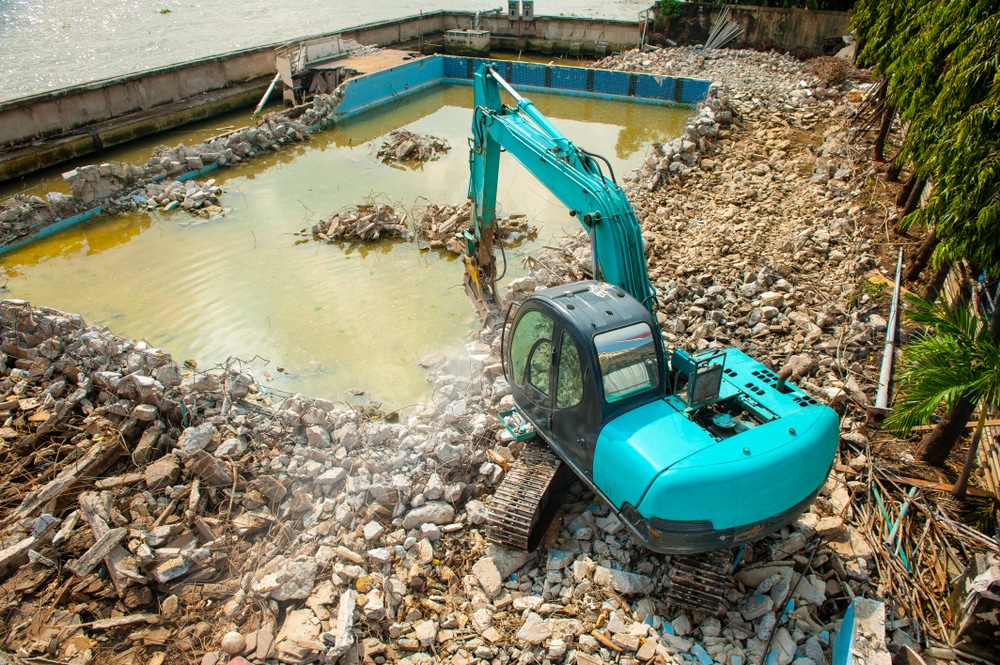
Now the real work begins. Excavators begin breaking up the pool structure; hand tools may be used for the pool framework, and waste materials and debris are loaded directly into trucks or stockpiled nearby for later removal.
Environmentally aware demolition services will sort the waste, with concrete and steel being recycled. Other materials, such as tiles and pipework, are also sorted. Recycling can reduce disposal costs.
Backfilling and Compaction
Once the pool shell is removed, the hole must be filled. Ideally, the fill used is clean soil. It will be layered and compacted, ready for your future plans.
Site Cleanup and Restoration
Finally, all equipment and any remaining debris are taken from your land. The newly reclaimed land normally settles over the following weeks, particularly after heavy rain, so you should wait four to six weeks before starting your next outdoor project.
Ready to Reclaim Your Backyard?
At Splash Swimming Pool Removals, we cover all Sydney suburbs from the North Shore to the Sutherland Shire. Our professional, experienced team uses modern equipment to ensure a fast, efficient, and safe removal with minimal disruption to your property or your neighbours.
Contact Splash Swimming Pool Removals to arrange a site assessment and get a free quote for your Sydney property.


Leave A Comment