
Pool removal is a significant project, and excavation and haulage Sydney are the backbone of the process.
You’re in the right place to understand exactly what’s involved. Read on to find out why excavation and haulage, and a clean site, are crucial for your follow-on project and why professional waste disposal matters.
Why Excavation & Haulage Matters in Pool Removal
Removing a swimming pool isn’t just about breaking concrete. The excavation and haulage phase determines how clean, safe, and useful the result will be.
What Does Excavation Actually Involve?
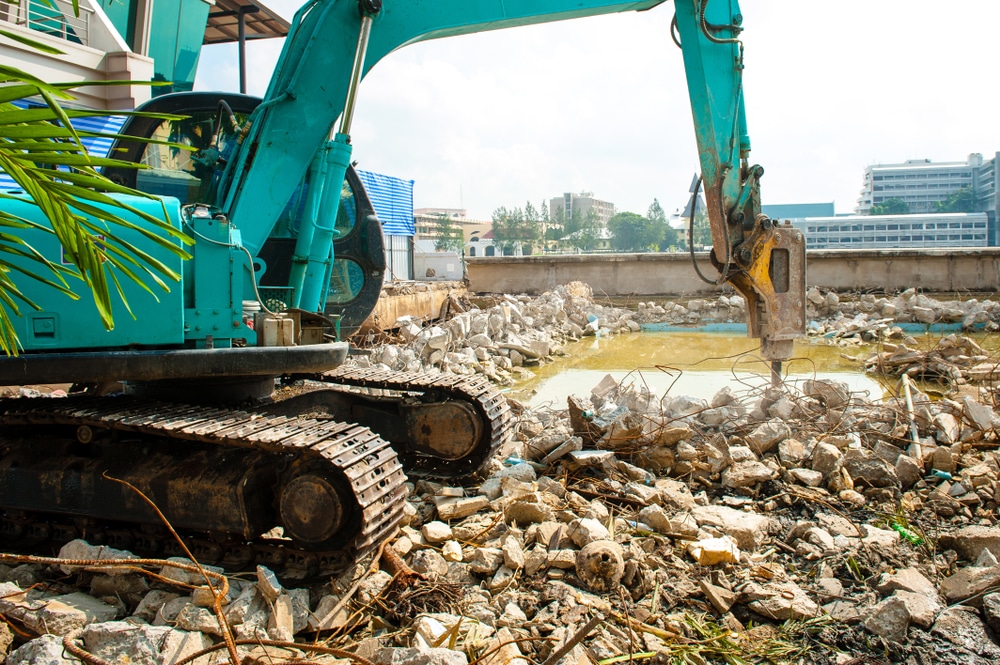
- Excavation is the process of breaking up and removing the pool shell, surrounding materials, and soil
- The equipment typically used may be excavators, bobcats or jackhammers
- The scope of excavation depends on pool size, depth, and construction type (whether it is a concrete, fibreglass or vinyl pool)
- Issues with site access, for machinery and trucks, can complicate the project. Site access problems are typical across Sydney’s varied suburban landscapes
Why Is Haulage a Separate Consideration?
- Haulage simply refers to the physical removal of debris and waste from the site
- Haulage volume is directly tied to the size of the pool and how much backfill material will be needed
- Truck load sizes and council regulations affect what can be removed and how
- Poor haulage planning can cause delays, cost overruns and incomplete site clean-up
Sydney Excavation & Haulage: Local Factors That Matter
- Traffic and difficult site access in inner city and suburban Sydney (narrow streets in Inner West, steep blocks in the Eastern Suburbs)
- Council permit requirements vary across Northern Suburbs, Southern Suburbs, and Inner West
- Differing soil types across Sydney (clay-heavy vs sandy) affect excavation time and backfill needs
The Complete Pool Cleanup Process
A swimming pool removal isn’t finished when the digging stops. A thorough cleanup separates a professional job from a problematic one.
Breaking Down the Pool Shell
- Concrete pools are the toughest, often requiring hydraulic breaking and removal in sections
- Fibreglass shells may be lifted out whole or cut into large sections
- Steel reinforcing (rebar) is removed and sorted for recycling
Site Levelling and Compaction
- After the pool is removed, the void must be backfilled with the appropriate materials
- Layered compaction helps prevent future ground subsidence
- Poor compaction leads to uneven ground, cracking paths/driveways, and risks future property damage
- Compaction tests or certificates may be required by some Sydney local authorities
Reinstatement of the Site
- Topsoil and turf replacement options are considered, ideally for landscaping
- Professional contractors will leave the site clean, level, and ready for the next landscaping or construction phase
- The removal of an unwanted, dated pool and a reclaimed site ready for development often improves your property’s presentation and resale value
Waste Disposal: What Happens to the Debris?
One of the most common questions homeowners ask is where all the waste material goes. It’s a good question, and the answer reflects the quality of the contractor you’re dealing with.
Types of Waste Generated During Pool Removal
- Concrete and masonry rubble may be ground to be used as fill
- Steel and rebar are both often recyclable
- Fibreglass material and contaminated soil must be transported to registered disposal facilities, and the disposal must be documented
- Plumbing, filtration equipment, and fittings
Responsible Waste Disposal Practices
- Make sure you check whether your contractors are using licensed waste facilities and not doing illegal dumping, which may leave you at risk of legal consequences
- Recycling masonry, concrete and steel can help reduce costs
- The entire project is subject to environmental obligations under NSW waste management regulations
- Always ask contractors for waste disposal documentation in case the local council asks for confirmation of responsible waste disposal
Haulage Logistics Across Sydney Suburbs
- The size and load capability of the truck directly impact the trip frequency on jobs in dense suburbs like the Inner West or Eastern Suburbs
- Traffic management measures are often needed for busy residential streets
- Tip fees can affect the overall project cost
Choosing the Right Contractor for Excavation & Haulage in Sydney
Not all excavation contractors are equal. Knowing what to look for protects your investment and your property and helps you avoid the “cowboy” operators.
Key Questions to Ask Before Hiring
- Ensure they have licenses and insurance for excavation work in NSW?
- Ideally, they handle their own haulage, although some businesses may subcontract it
- They should provide a detailed scope of work, a waste disposal plan plus a quote for the work
- Local expertise helps guarantee an efficient, cost-effective project. Ask whether they have experience working in your specific suburb or area
Red Flags to Watch For
- Unusually low quotes. Especially if they don’t include haulage or backfill
- No documentation to be provided, and no assistance or guidance with permits offered
- Vague answers about where the debris will be taken
- No evidence of previous residential pool removal projects
Ready to Remove Your Pool?
At Splash Swimming Pool Removals, our experienced local team specialise in Sydney excavation and haulage.
Get in touch with your plans and questions today to arrange a site assessment and a free quote.


Leave A Comment